

NeoMotion Is Expanding The Possibilities Of Wheelchair Mobility

From Research To Real-World Mobility
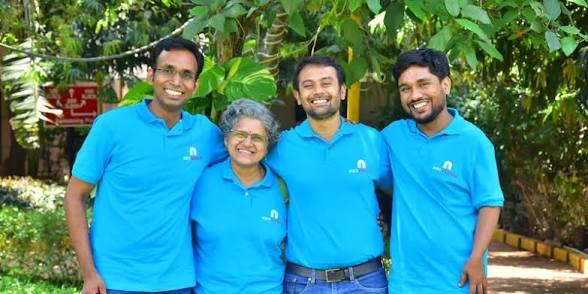
NeoMotion began as a research initiative in 2015 at the TTK Centre for Rehabilitation Research and Device Development (R2D2) at IIT Madras, led by Professor Sujatha Srinivasan. The team explored ways to improve mobility for wheelchair users, recognising that conventional designs often failed to address individual body measurements, posture and everyday requirements.
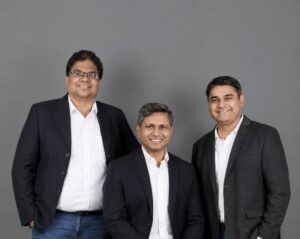
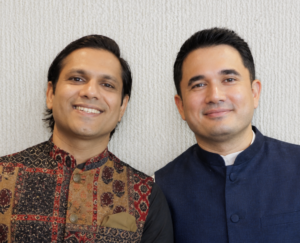
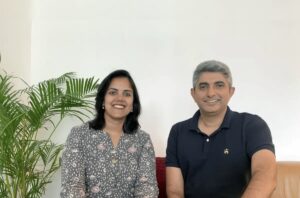
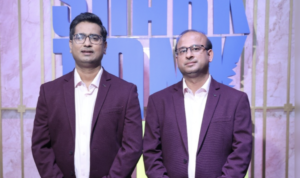
After interacting with wheelchair users across different parts of India, the team identified the need for more personalised and practical mobility solutions. This research led to the incorporation of NeoMotion in 2016, with founders Swostik Sourav Dash, Siddarth Daga, Ashish Mohan Sharma and Vivek Sarda working to take the technology beyond the laboratory.
Building Mobility Around Individual Needs
In 2020, NeoMotion introduced its flagship products, NeoFly and NeoBolt. NeoFly is a customised manual wheelchair designed around the user’s measurements, while NeoBolt is a motorised attachment that connects to a manual wheelchair and enables powered outdoor movement.
The company has since expanded its portfolio with products such as NeoStand, a standing wheelchair, NeoPower, a powered wheelchair, and NeoCub, a specialised wheelchair designed for children. Each product addresses a different mobility requirement, reflecting the company’s focus on personalised assistive technology.
Beyond Conventional Wheelchair Design
NeoMotion’s approach centres on individual measurements and adjustments rather than a one-size-fits-all design. Its virtual measurement system helps the company assess users remotely, making customised solutions more accessible to people beyond major cities.
The business also works with institutional partners and organisations to expand access to its products. Through initiatives such as Livelihood on Wheels, NeoMotion has explored how motorised mobility solutions can help wheelchair users participate in employment opportunities, including delivery services.
Making Mobility A Tool For Independence
NeoMotion’s work extends beyond developing mobility equipment. By combining engineering, user research and practical product design, the company is addressing challenges that affect how wheelchair users travel, work and participate in everyday life.
Its journey from an IIT Madras research initiative to an assistive technology business highlights the role of product innovation in building more inclusive mobility solutions. Rather than treating a wheelchair as a standard piece of equipment, NeoMotion is developing products around the different ways people need to move.